
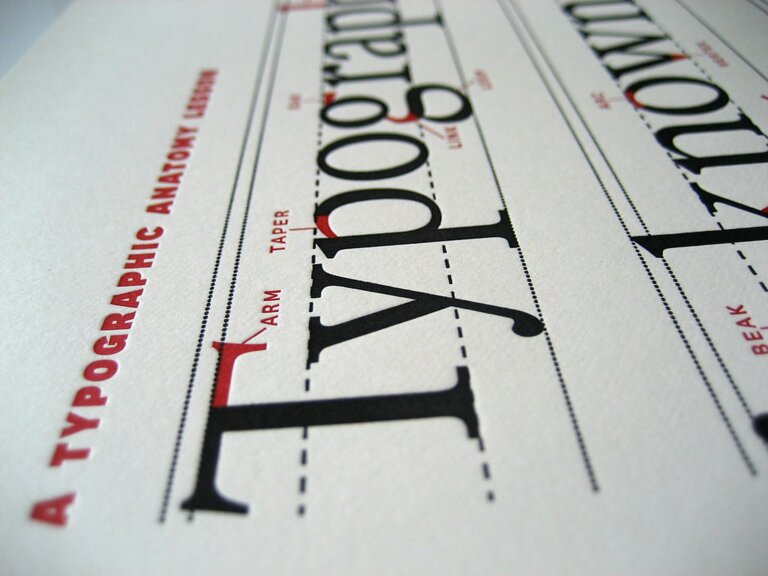
AI in Branding 2026: How to Build a Complete Visual Identity with AI Tools
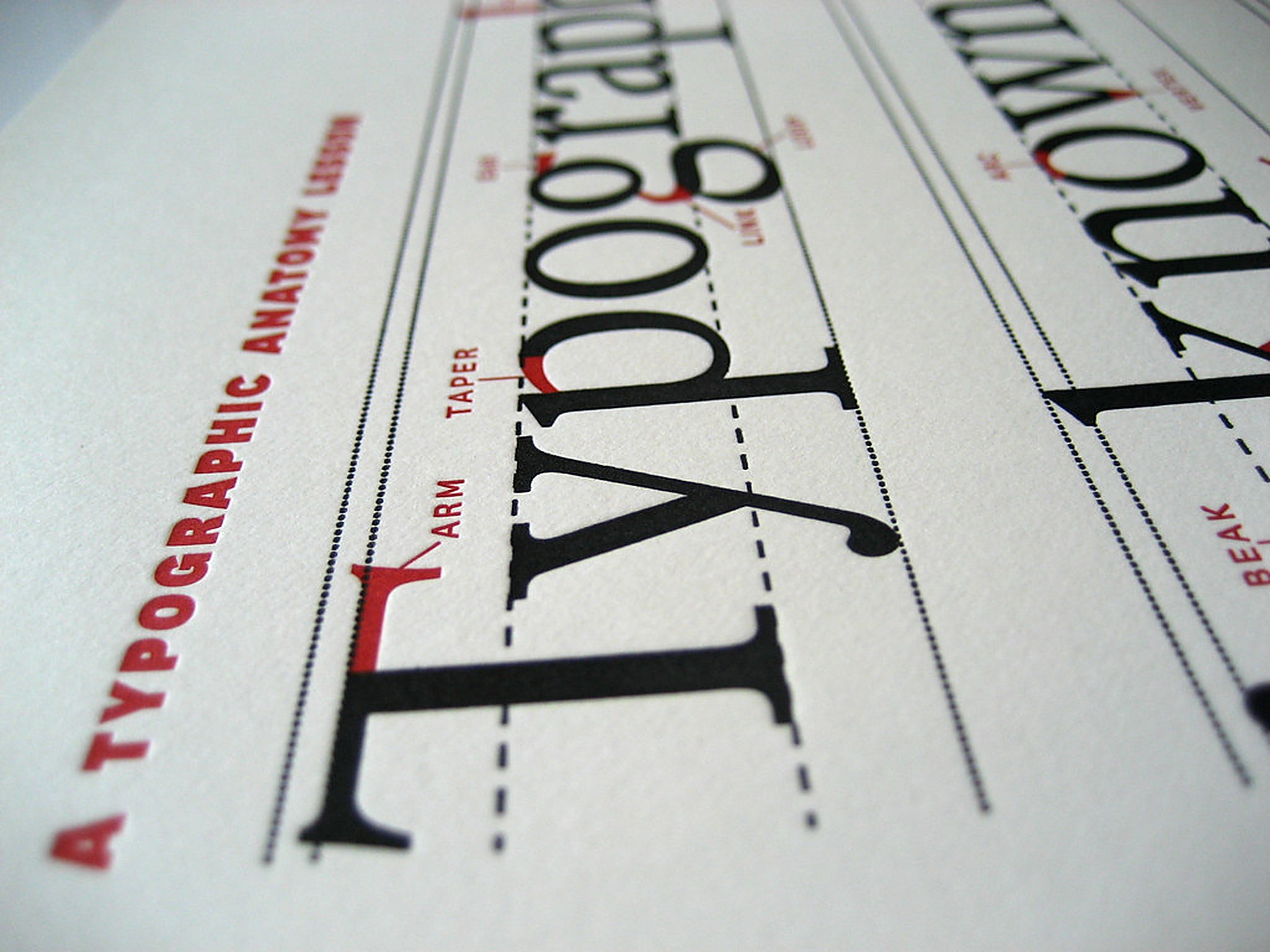
Artificial intelligence has moved from generating single assets to orchestrating entire brand systems. In 2026, a founder or designer can go from name only to a production-ready visual identity — logo, palette, typography, patterns, icon set, stationery, social templates, and UI kit — in an afternoon instead of weeks. This guide walks through the modern AI branding workflow, the tools that actually deliver, and where human judgment still makes the difference.
The 2026 AI Branding Stack
No single tool does everything well. The pragmatic workflow chains specialists:
- Strategy & naming: ChatGPT / Claude for positioning, naming, voice guidelines.
- Logo mark: Midjourney v7 (–style raw) or specialized logo generators (Looka, Brandmark) for the core symbol.
- Palette & typography: Huemint, Khroma, or Fontjoy for data-driven pairings.
- System assembly: Figma + AI plugins (Magician, Builder.io) to turn components into a living design system.
- Asset production: Adobe Firefly / Photoshop Generative Fill for photography, illustrations, mockups.
Step 1: Define the Brand DNA Before You Generate
AI amplifies clarity and exposes vagueness. Before any prompt, write a one-page brief:
- Positioning statement (who, what, why, against whom)
- Personality traits (3–5 adjectives: e.g., “precision, warmth, restraint”)
- Target audience and emotional promise
- Competitive differentiation (visual and verbal)
- Must-haves / deal-breakers (e.g., “no gradients”, “must work mono”)
Feed this brief to your LLM of choice and ask for visual direction hypotheses — three distinct mood-board descriptions with keywords for Midjourney.
Step 2: Logo Mark — Iterate in Midjourney, Finalize in Vector
Midjourney v7 with --style raw --stylize 50 --no text letters watermark produces logo-concept art, not final vectors. The workflow:
- Generate 40–60 concepts across 3–4 visual directions.
- Curate 5–8 strong candidates; upscale the best.
- Trace in Illustrator (Image Trace → cleanup) or redraw manually for perfect geometry.
- Test at 16 px favicon size — if it fails, simplify.
- Build a mini-system: primary, secondary, icon, monochrome, responsive variants.
Step 3: Color & Type — Data Over Gut
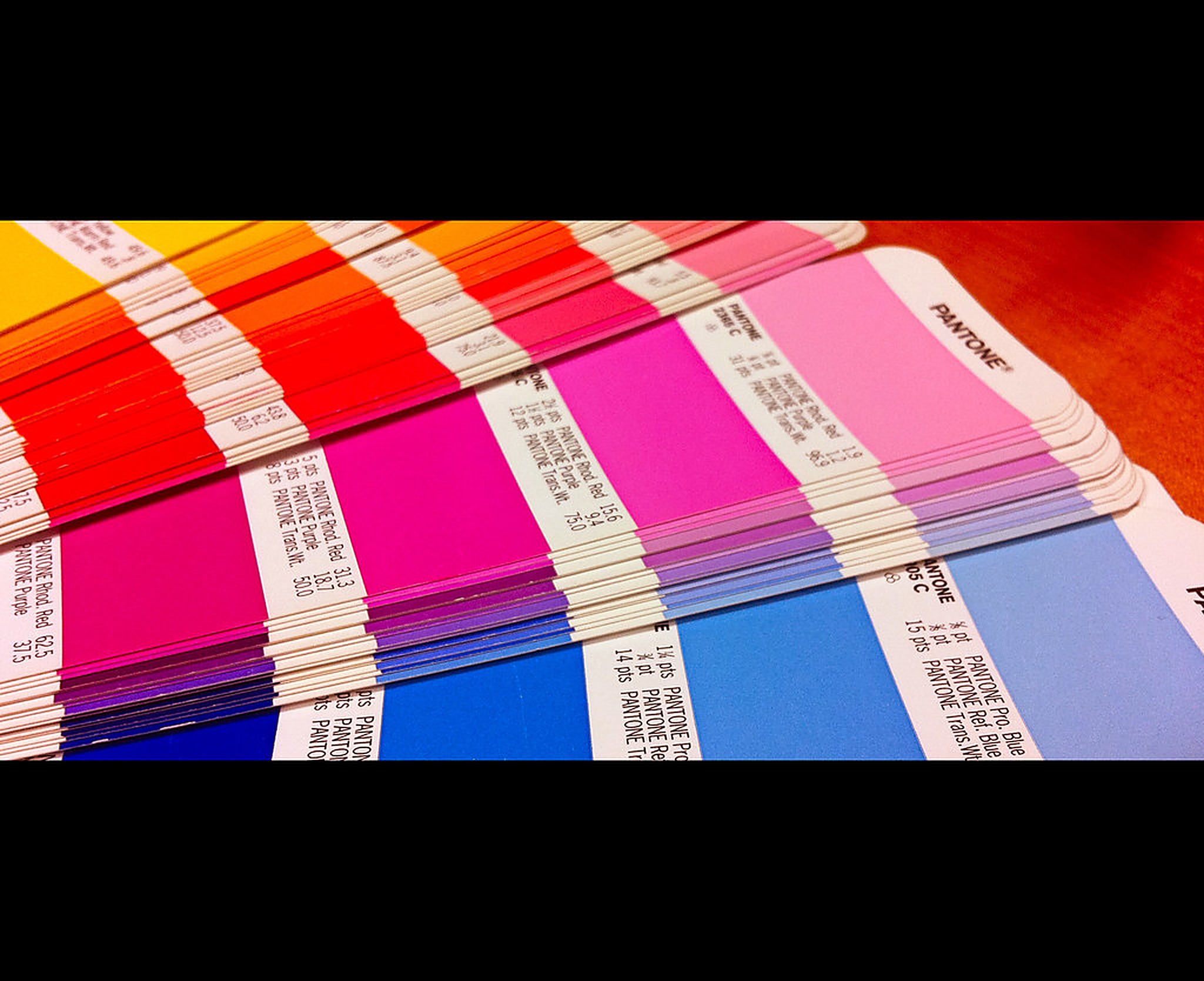
Tools like Huemint (palette generation with harmony constraints) and Fontjoy (type pairing via deep learning) remove subjectivity. Export palettes as .ase for InDesign/Figma; lock type scale with a modular scale calculator.
Step 4: Patterns, Icons, Illustrations — Systematize
Use Firefly or Midjourney --tile for seamless patterns. For icon sets, prompt a consistent style sheet (--sref with a seed icon) then batch-generate 30–50 symbols. Clean up in Figma, export as .svg components.
Step 5: Assemble the Style Guide (Living, Not PDF)
Publish in Figma or Zeroheight so developers and marketers always pull current specs. Include:
- Logo usage (clear space, minimum size, forbidden variations)
- Color specs (HEX, RGB, CMYK, Pantone, accessibility ratios)
- Typography (headings, body, code, responsive scale)
- Icon grid and usage rules
- Photography/illustration style
- Component library (buttons, cards, forms)
Where Human Judgment Remains Non-Negotiable
- Strategic differentiation — AI converges on averages; you decide the edge.
- Cultural nuance — symbols, colors, and metaphors vary by market.
- Legal clearance — trademark search is not AI’s job.
- Final pixel-perfect vector cleanup — AI gives concepts, craft finishes them.
Recommended 2026 Toolkit (Free → Pro)
| Category | Free / Freemium | Pro |
|---|---|---|
| Naming / Strategy | ChatGPT, Claude | — |
| Logo Concepts | Midjourney (trial), Bing Image Creator | Midjourney, Brandmark, Looka |
| Palette | Huemint, Khroma, Coolors | Adobe Color, Colorkit |
| Typography | Fontjoy, Google Fonts | Monotype, Fontstand |
| System Assembly | Figma (free tier) + plugins | Figma Pro, Zeroheight, Frontify |
| Photo / Mockup | Firefly (web), Bing | Photoshop Generative Fill, Midjourney |
Bottom Line
AI compresses the production of a brand identity from weeks to hours. It does not replace the strategy — the choices that make a brand distinct, defensible, and loved. Use AI for volume and speed; apply taste for selection and craft. The best 2026 identities will be human-led, AI-accelerated.
Image credits: Adactio (typography, CC BY), Graphbia (logo, CC BY), martinhoward (Pantone swatches, CC BY) — via Flickr / Openverse.